6 Oct 2014

Inspirations

Inspirations 


This is a painting by Leonid Afremov. He is one of my favorite artists. His work is beautiful, he is very technically gifted in the way he uses a palette knife to create work and how he uses layers to create an image. This is the style I want to recreate for my paintings for the Ernest Shackleton project. I think it will work really well in creating the sea and antarctic landscape.

Enjoy the music !!! 

Thumbnail Sketches


Our initial sketches really varied as we were all inspired by different aspects of the research. However through these sketches we could see the basic elements of Shackleton’s story.
We had a good idea of how the posters would be arranged as we previously discussed which main elements of the story we would each demonstrate in our poster designs. With the new skills we had each obtained we began to deign our posters. We would however check with each other how well things were going and if we needed help with anything.

3 Oct 2014

Mark Making


Roxie and I went back to basics and went for the old fashioned mark making. We set about this by going all around the university looking for broken tools, random materials anything that we could make authentic marks with. In the end we managed to create some appealing images and images just contained useful textures. I really enjoyed using my hands and just expressing myself.
As a team we decided that the textures should be similar on all the posters as it would help us keep them appearing part of a set. 

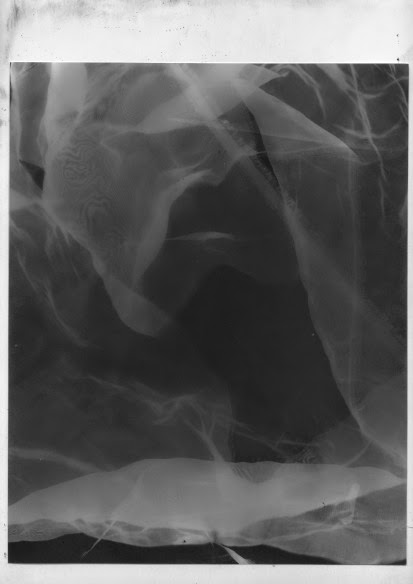
Photgrams Experiment


When using photoshop or other digital means to create images its hard to create textures that look authentic. We stumbled across a project the photography students had done where they had been using random objects to make interesting collages with photograms. 
So by raiding the print room for scrap materials we set about creating ice like textures and also textures that looked aged. This way we could add them to our images to give them a rustic and aged affect with authentic appearance. After this we set about creating these textures with simpler means as well.This in my opinion created some interesting and surreal outcomes that look great. 

1 Oct 2014

Clashes of style


I experimented with photoshop and created these. I was happy with the outcomes. 


Gradient Tool


One aspect of the posters we were thinking of using was gradients and shapes. We all found the use of them very interesting in appearance and effect, especially the dark and light contrast that added to the image and also the interesting way of putting images into shapes.
This was through research where we looked at certain graphic designers. It was a more of a simplified, but effective way of producing work that we felt looked refined and clean. However we didn’t know to use the gradient tool, so using our initiative we researched on how to use it, by looking at youtube tutorials. Using a step by step guide we were able to come up with the images above where we have produced some interesting colours and unique ways of putting images into shapes. This was one possible avenue of producing our final piece. I was really pleased with this as it was something new I could add to my own skill set and that I could use in the future. 

Gallery/Museum Visits


We visited galleries and museums to help in terms of research and final images. We visited the imperial war museum. This was because  of the time period Ernest’s adventure was based around (1914-1918), we wanted to understand more about that period in time and how it linked in with him, which we could then use to influence our artwork. We also looked at how pieces and items were displayed, and discovered some useful references in regards to typography and display. We could then use these references in our own displays and produce professional looking work. 

This was an incredibly moving experience for me as I got to see all different stories from soldiers and the struggles they went through. It helped in terms of linking Shackelton to be being a failed hero and a symbol of people who weren't admired as the world war one heroes.